


HEALTH TECHNOLOGY ASSESSMENT
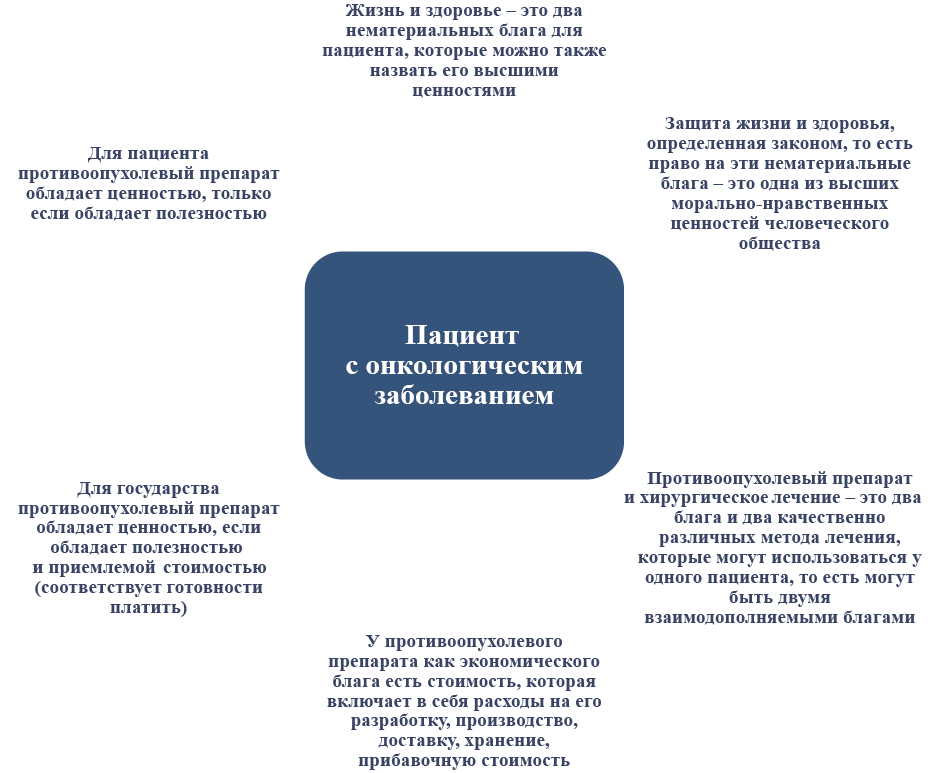
The article provides a conceptual analysis of the fundamental categories underpinning the assessment of the value of medicinal products and other health technologies, including good, intangible benefits, service, utility, cost, quality, and quality of life (QOL). Health is interpreted as an intangible good and a supreme value for the individual and society, whereas a medicinal product is considered a tangible economic good whose value is determined by the balance between its utility for the patient and the total costs of its development and use. Drawing on philosophical and economic approaches, value is substantiated as an integration of utility and cost, the distinction between the categories of “quality” and “utility” is emphasized, and the role of QOL and utility measures (including QALY and their possible alternatives) in contemporary pharmacoeconomic models is highlighted.
From the standpoint of clinical pharmacology and health technology (HT) assessment, the article examines the concept of pharmacology as an integrative approach to accompanying a medicinal product throughout its entire life cycle — from preclinical and clinical research to real-world use, pharmacovigilance, and real-world data analysis. Within this framework, the value of a medicinal product is understood as a dynamic characteristic formed by clinical effectiveness, safety profile, economic parameters, organizational aspects, inclusion in drug lists and HTA outcomes, and patient-relevant attributes (QoL, adherence, accessibility). The integration of these factors underpins rational resource allocation, funding priority setting, and managerial healthcare decision justification.
Special attention is paid to the ISPOR “value flower”, in which the value of HT is structured into traditional (costs, QALY), relatively new (productivity, adherence), and innovative components (improved predictability, fear of contagion, insurance value, consideration of disease severity, equity in resource distribution, scientific spillover, etc.). Accounting for these additional dimensions enables an expansion beyond a purely clinico-economic view and captures the social, ethical, and behavioral aspects of medicinal interventions at the patient, health system, and society levels. Comprehensive assessment of the special importance of medicinal products for population health — including health system needs, disease severity, therapeutic value, and strength of evidence — is an essential tool for accelerating evaluation and shaping contemporary pharmaceutical and health policy.
OBSERVATIONAL STUDY
Relevance. Acute respiratory infections are the leading cause of disease worldwide. Kagocel® is a synthetic antiviral agent indicated for influenza and other acute respiratory viral infections (ARVI). It induces the production of interferon, thereby enhancing the immune response to viral pathogens.
Objective. To evaluate changes in quality of life and symptom dynamics when prescribing Kagocel® to patients with ARVI.
Materials and methods. This open, multicenter, observational, non-interventional study enrolled 1000 adult patients, 467 with mild and 533 with moderate ARVI. All patients were prescribed Kagocel® tablets for 4 days within 24–72 h from the ARVI symptom onset.
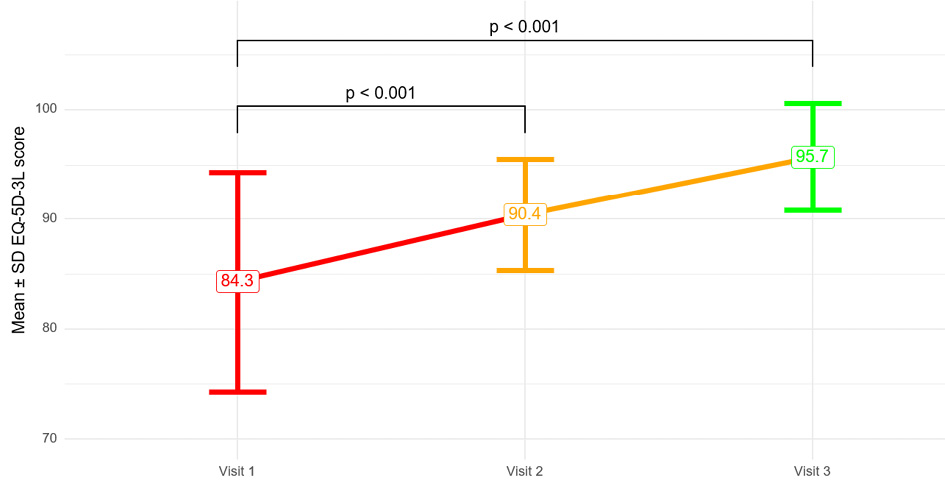
Results. In patients with mild ARVI, a statistically significant (p <0,001) improvement in the EuroQol-5 Dimension 3-level (EQ-5D-3L) score was observed by day 3, with scores increasing from 84.3±10.0 to 90.4±5.1 on day 3 and further to 95.7±4.9 by day 6. Similarly, in patients with moderate ARVI, there was also a statistically significant (p <0,001) improvement noted by day 3, with scores rising from 70.4±13.6 to 85.4±8.2 on day 3 and reaching 99.1±3.7 by day 6. By days 3 and 6, 22.1% and 88.0% of patients with mild ARVI, respectively, had no remaining symptoms. By day 3, 10.5% of patients with moderate ARVI undergoing therapy reported the absence of ARVI symptoms, and 89.9% of patients were symptom-free by day 6. No adverse events were reported.
Conclusion. The oral administration of Kagocel® to ambulatory patients with mild to moderate ARVI was effective and safe; therefore, it may be routinely recommended.
DRUG SAFETY
Introduction. Antipsychotics are widely used off-label for treating resistant forms of anxiety-depressive disorders, necessitating a thorough safety data collection for this class of medicinal products.
Objective. To assess the safety profile of antipsychotics recommended by the Russian Federation for treating patients with neurotic disorders.
Materials and methods. Spontaneous reports submitted to the "Pharmacovigilance" database of the Roszdravnadzor Automated Information System between 2019 and 2024 were analyzed for chlorprothixene, sulpiride, amisulpride, quetiapine, olanzapine, risperidone, and aripiprazole. For each international nonproprietary name, Reporting Odds Ratios (ROR) and Proportional Reporting Ratios (PRR) were calculated to assess statistically significant disproportionality.
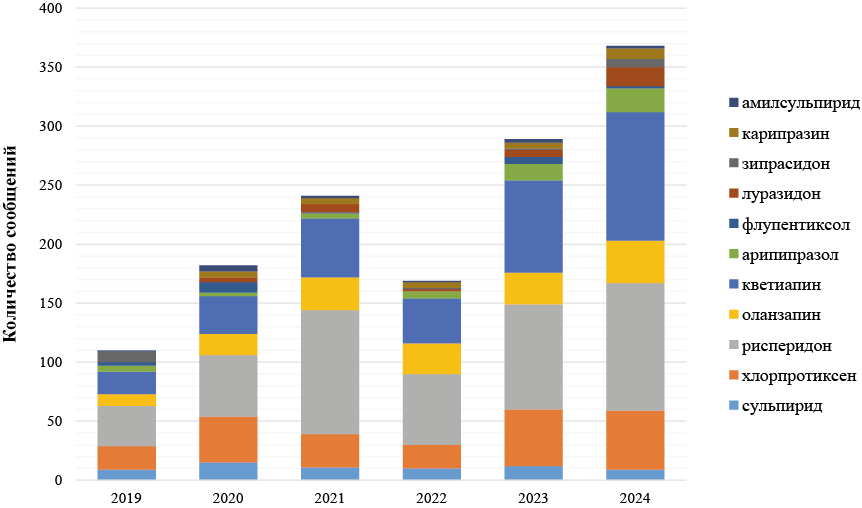
Results. We obtained data from 1392 spontaneous reports, of which 1359 were primary reports. The number of spontaneous reports increased for most drugs, except for sulpiride, amisulpride, flupentixol, and ziprasidone. The total number of reports over the 5‑year observation period did not exceed 50 for flupentixol (n=21), lurasidone (n=35), ziprasidone (n=18), cariprazine (n=29), and amisulpride (n=14). The highest number of statistically significant associations between drug use and the development of adverse reactions across several system-organ classes was demonstrated for risperidone: disorders of the musculoskeletal and connective tissue (dystonia, tremor, hypertonia), disorders of the reproductive system and mammary glands (galactorrhea, amenorrhea), and laboratory/instrumental findings (hyperprolactinemia). Associations were confirmed with injuries, poisonings, procedural complications (poisoning, intentional poisoning, and neurotoxicity), and nervous system disorders (depressed level of consciousness, headache, and dizziness) for chlorprothixene. Associations between quetiapine and nervous system disorders (tremor, stupor, somnolence), injuries, poisonings, and procedural complications (neurotoxicity, poisoning, and overdose) Associations were found between aripiprazole, flupentixol, and lurasidone with musculoskeletal and connective tissue disorders (dystonia). Cariprazine was associated with psychiatric disorders (agitation, anxiety, and 1 case of completed suicide).
Conclusions. The overall reporting level remains extremely low. Considering the international experience in collecting safety data on antipsychotics, a significant number of cases may be underreported, including suicides and self-harm, overdoses, rhabdomyolysis, neuroleptic malignant syndrome, closed-angle glaucoma associated with olanzapine use, and acute pancreatitis associated with quetiapine use.
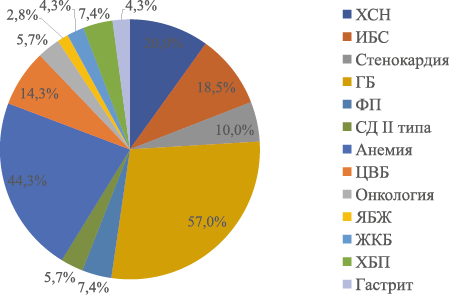
This article presents the results of a safety study of oral anticoagulants in surgical patients with polypharmacy. An analysis of medical records of inpatients receiving oral anticoagulants for the prevention of venous thromboembolic complications was conducted. Postoperative venous thromboembolism is one of the most common indications for the use of direct oral anticoagulants. Serious problems may arise during treatment and may be associated with age-related changes in the body, gender, and concomitant drug therapy.
SYSTEMATIC REVIEW AND META-ANALYSIS
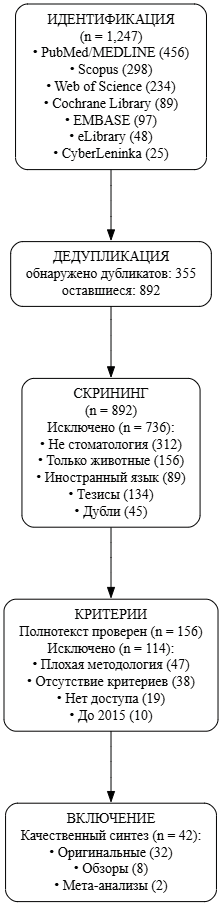
This study systematically analyzed the current approaches to analgesic therapy in dental practice based on scientific publications of the last decade. This study examined the main groups of analgesic medications used in dentistry, including nonsteroidal anti-inflammatory drugs, opioid analgesics, local anesthetics, and their combinations. Particular attention is paid to the mechanisms of action of various classes of medications, their efficacy, and safety profiles when used in various patient categories. The current trends in multimodal analgesia and personalized pain relief approaches tailored to individual patient characteristics, age groups, and comorbidities are analyzed. Innovative drug delivery technologies, including nanosomal formulations, extended-release systems, and transdermal systems, are considered. Data on the use of artificial intelligence and digital technologies to optimize analgesic therapy are presented. A systematic review was conducted using the Preferred Reporting Items for Systematic Reviews and Meta-Analyses (PRISMA) methodology, and 42 sources selected from 1,247 initially identified publications in international databases were analyzed. The results of this study demonstrate the evolution of approaches to dental pain relief from universal protocols to personalized medicine. This study demonstrated the importance of combining different analgesic groups to achieve an optimal balance of efficacy and safety. Promising areas for developing analgesic therapy related to the integration of advances in molecular biology, nanotechnology, and digital technologies into dental clinical practice are identified.
Background. In October 2024, a new antibiotic, pazufloxacin, was registered in Russia. Information on the efficacy and safety of injectable pazufloxacin is lacking in the Russian literature.
Objective. To conduct a systematic literature review and meta-analysis of data on the efficacy and safety of pazufloxacin, an infusion solution.
Methods. This review included clinical trials (CTs) evaluating the efficacy and safety of injectable pazufloxacin, conducted in adult volunteers, considering the clinical conditions for which the drug is indicated in the Russian Federation. A meta-analysis was performed based on published results of randomized clinical trials (RCTs) conducted in adult patients with urinary tract infections (UTIs).
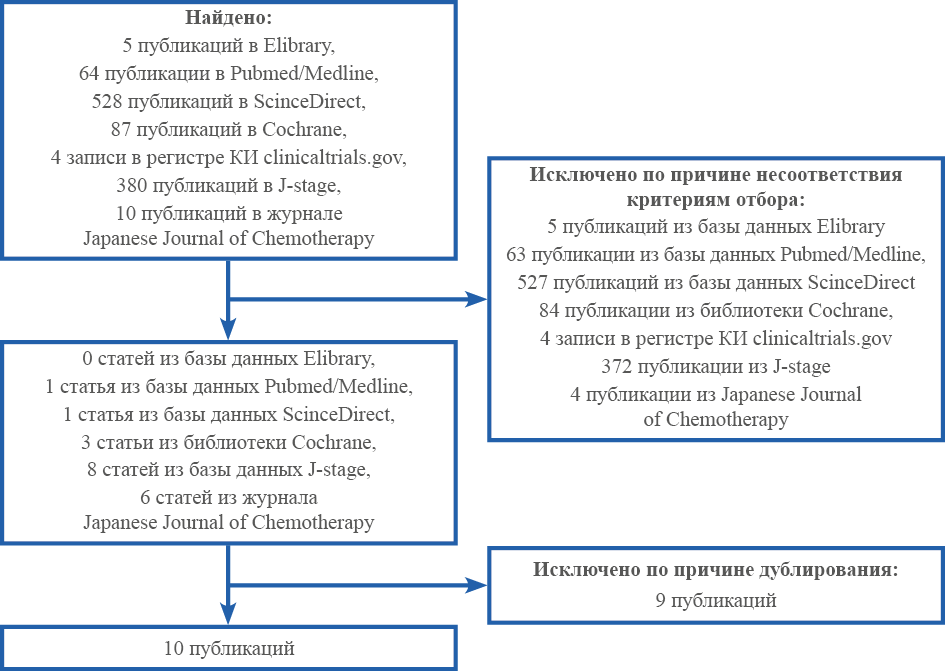
Results. Of the 1,068 articles identified, 10 were included in this review. Four studies were RCTs, and the remaining studies were before-and-after studies. The efficacy of pazufloxacin varied depending on the site, type of infection, and dose, ranging from 78.7 % to 100 % for UTIs, 75.1 % to 100 % for respiratory tract infections, and 80.0 % to 95.2 % for obstetric and gynecological infections. Despite a trend toward higher efficacy values for pazufloxacin in RCTs, a meta-analysis confirmed the absence of significant differences in efficacy between the compared groups. Notably, 15 years or more have elapsed since most studies were conducted. Given the increasing antibiotic resistance of infectious agents over time, the efficacy of drugs in the Russian population may differ from that in RCTs. This primarily applies to the comparator drugs considering a history of their long-term use in Russia. Unlike the comparator drugs, pazufloxacin is a new drug with a lower risk of antibiotic resistance in Russian clinical practice. In most clinical trials, pazufloxacin was well tolerated by patients.
Conclusions. According to CTs in the Russian Federation, pazufloxacin has a high safety profile and is highly effective when used within its approved indications. The use of antibacterial drugs should consider current data on the resistance of infectious agents to prescribed drugs.
EXPERT OPINIONS
Introduction. Real-world evidence (RWE) plays a critical role in pharmaceutical companies at all stages of a medical product’s life cycle. Contract research organizations and research infrastructure suppliers ensure that RWE studies. Understanding what the industry thinks about an ideal ecosystem is important for conducting high-quality RWE studies.
Objective. To identify the strengths and weaknesses of existing RWE study processes in Russia, needs, and proposals in this area, which can later be used by key parties of the RWE ecosystem to create a regulatory framework and ensure the methodology and quality of RWE studies. The objective was to develop an ideal RWE ecosystem model.
Materials and methods. The study used semi-structured in-depth interviews with experts in the RWE field: 10 pharmaceutical companies, 6 CROs, and 3 providers of study infrastructure. From September 23 to November 14, 2025, 19 expert interviews were conducted, each of which included 23 questions combined into 4 blocks: 1) a description of the respondents, 2) problems in conducting RWE studies, 3) ensuring RWE study quality, and 4) regulatory needs.
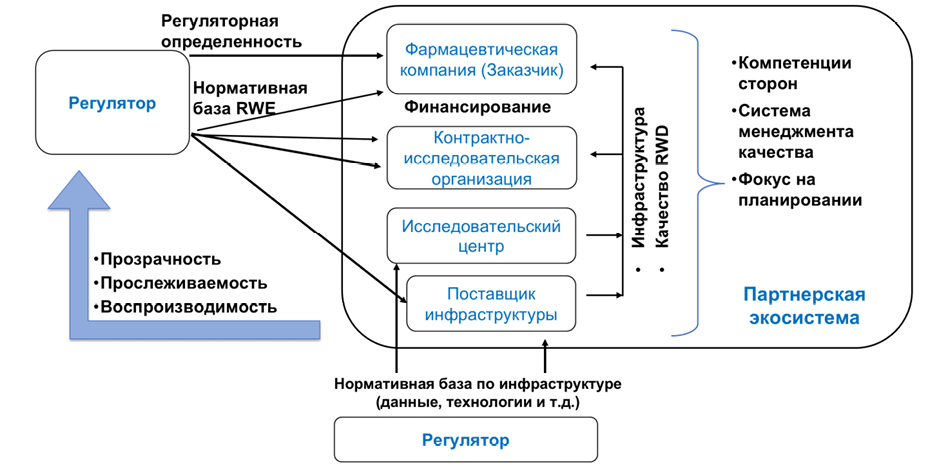
Results. The analysis of the respondents’ answers enabled the identification of eight interrelated components that form the ideal RWE ecosystem model: regulatory certainty and regulatory framework, quality of source data, data infrastructure, study parties’ competencies, quality management systems, study planning, transparency and traceability, financing, and resource ensuring.
Conclusion. The ideal RWE model is a complex ecosystem that requires the coordinated development of regulatory, organizational, technological, and educational components.
NEW HEALTH TECHNOLOGY
Relevance. The goal of rehabilitation is to maximize the restoration of lost functions, reduce disability, and return the patient to an active life in society. The effectiveness of rehabilitation depends on the comprehensiveness, validity, and individualized approach to each patient.
Objective. Rehabilitation aims to maximize the restoration of lost functions, minimize disability, and help patients return to an active life in society.
Methods. System analysis of various sources of rehabilitation knowledge is used to identify and organize cause-andeffect relationships. Ontological knowledge modeling includes a semantic representation structure and a set of ontological agreements that define the reasoning principles when solving current rehabilitation problems. Ontological modeling ensures transparency, verifiability, and interpretability of knowledge.
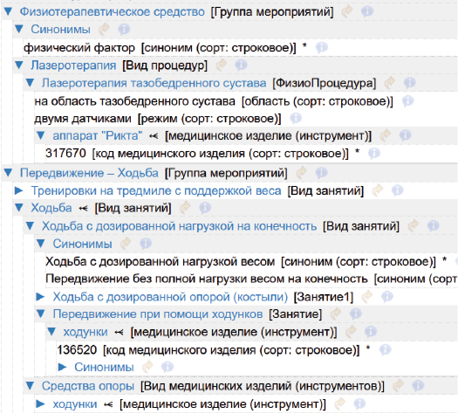
Results. The semantic model of cause-and-effect relationships in this subject area was constructed, encompassing the interrelationships between observations, diagnostic profiles, and rehabilitation measures. This model considers the combined influence of symptoms, factors, and standard scale ratings on human functioning, linking specific impairments and their severity to elements of the ICF profile, rehabilitation goals, and recovery methods. A consistent set of concept types and their relationships enable the structural and verbal representation of knowledge from two types of sources — clinical guidelines and expert materials.
Conclusions. The novelty of these results in terms of developing methods for constructing and using ontological models lies in the development of a new ontological knowledge model that incorporates a semantic representation structure from the most reliable sources and automatic processing in clinical decision support systems. The proposed ontological model with IACPaaS technology forms a flexible tool for combining heterogeneous data and enabling explainable artificial intelligence, which is critical for medical applications. This allows for the development of intelligent services that enhance rehabilitation quality by standardizing approaches, incorporating best practices, and customizing processes.


